
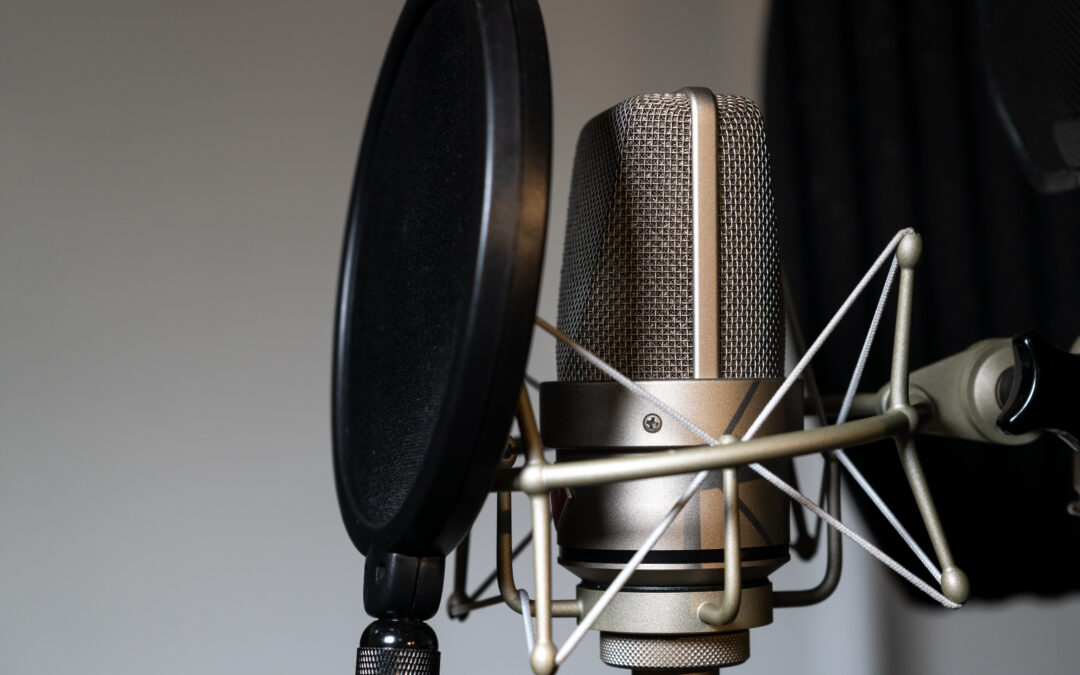
At Soundstage Studios, vocal capture is treated as a production decision, not a technical afterthought. Whether the voice is being recorded for film dialogue, rehearsal playback, livestream delivery, or performance capture, sessions succeed when the setup is predictable, and the performer can focus on delivery rather than troubleshooting.
This article outlines a practical approach to vocal recording in performance-focused environments. The emphasis is on clarity, consistency, and translation so recorded vocals remain usable across playback systems and downstream workflows.
Start With Intent, Not Equipment
Before microphones are chosen or preamps powered on, it helps to be clear about what the voice needs to do in the production.
Useful questions to establish early include:
- Is the voice intended to feel intimate, authoritative, energetic, or neutral?
- Is intelligibility the priority, or performance energy?
- Will the voice lead the production or support visuals and music?
- Are alternates, safety takes, or multiple versions required?
Clear intent reduces unnecessary retakes and helps performers settle quickly. In practice, early decisions often matter more than corrective fixes later.
Key Principles for Vocal Capture
- A predictable room and stable signal path matter more than microphone prestige
- The microphone choice should suit both the voice and the space
- Physical placement often solves issues before processing is needed
- Clean, consistent capture reduces risk in post-production
- Professional environments become more valuable as time pressure increases
A Reliable Vocal Signal Chain
Professional sessions rely on repeatability. A simple, dependable signal path supports that goal:
Microphone → balanced XLR → mic preamp → converter → recorder / DAW
Headroom is prioritised over pushing levels. Peaks around –10 to –12 dBFS protect against unexpected dynamics and preserve flexibility for editing, broadcast, or livestream delivery. Performer monitoring levels are managed independently rather than by driving the input harder.
Practical essentials include:
- A stable microphone stand with a securely locked boom
- A shock mount to reduce mechanical noise
- Correct pop filter placement
- Quiet power and tidy cable runs
Choosing the Right Microphone for the Voice and the Space
Microphones are usually best chosen based on how they respond to a specific voice in a specific room, rather than brand reputation.
| Mic type | Typically suited for | Practical reason |
| Condenser | Controlled rooms | Detail and articulation |
| Dynamic | Livelier spaces or louder delivery | Rejection and consistency |
| Ribbon | Bright or harsh voices | Natural smoothing |
Short test recordings often reveal which option delivers the clearest result with the least adjustment later.
Placement Before Processing
Small placement changes can have a large impact:
- Cardioid patterns are often a good starting point
- Capsules are typically placed around mouth height
- Slight off-axis angles help reduce harsh consonants
- Pop filters are positioned to manage plosives at the source
It’s often better to adjust mic distance and angle before relying on EQ or processing.
Control the Room So the Microphone Hears the Voice
Room control is one of the most effective ways to improve vocal capture.
Key priorities include:
- Absorption behind and beside the performer
- Reducing early reflections
- Minimising environmental noise
- Maintaining clean monitoring with minimal delay
A controlled room allows the microphone to capture the voice clearly, without excessive room sound complicating later use.
Supporting the Performance During Capture
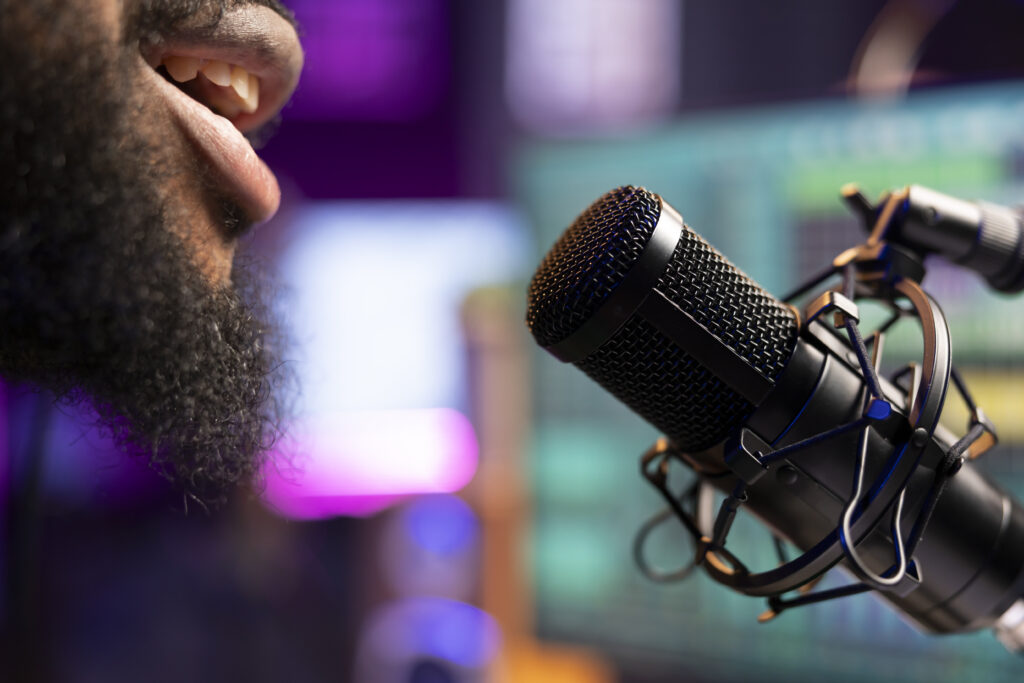
Strong vocal recordings come from comfortable performers.
Helpful session practices include:
- Allowing time for warm-up and hydration
- Providing headphone mixes that feel natural
- Starting recording before the official take so performers can relax into delivery
- Giving specific, actionable direction rather than vague feedback
Full passes are usually captured before focusing on individual sections. Safety takes are prioritised early to reduce pressure later.
Managing Takes for Editorial Readiness
Professional sessions remain organised to support post-production and delivery.
Common practices include:
- Clear, descriptive take labelling
- Building final selections from consistent, intelligible sections
- Using short, natural crossfades so edits remain inaudible
- Preserving breaths when they support realism
A gentle high-pass filter around 80–100 Hz may be used to reduce low-frequency noise when appropriate.
When a Larger Studio Environment Helps?
Some projects outgrow smaller or improvised spaces. A professional studio becomes valuable when:
- The room limits intelligibility or performer comfort
- Multiple voices must match across sessions
- Time pressure limits experimentation
- Audio, visual, and production teams need to work together
In these cases, controlled acoustics and reliable infrastructure reduce risk and speed decision-making.
Common Use Cases We Support
- Film dialogue and voiceover — clarity, consistency, editorial safety
- Livestreams and panels — intelligibility, stable levels, translation
- Rehearsal playback — reliable capture for review
- Instructional or spoken content — steady delivery and noise control
Vocal Capture That Translates
Professional vocal recording is about reducing uncertainty. With clear intent, controlled environments, and repeatable workflows, vocals move smoothly into post-production, broadcast, or playback without surprises.
If you’re preparing vocals for film, rehearsal, or live delivery, we’re happy to discuss how our studio environment supports reliable, production-ready results.
Contact Soundstage Studios to talk through your session or arrange a visit.