
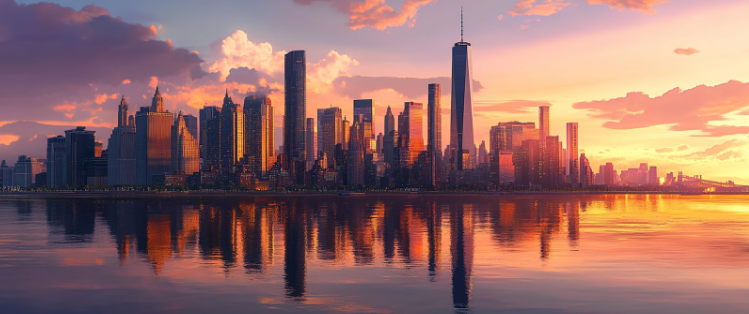
Before CGI pipelines and real-time rendering engines transformed the film industry, vast cities, alien worlds, and historical landscapes were brought to life through ingenuity, paint, and perspective. At Soundstage Studios, where modern productions still rely on careful planning between on-set shooting and post-production, the legacy of matte painting remains deeply relevant because even today, great visual effects begin long before the computer.
What Is a Matte Painting?
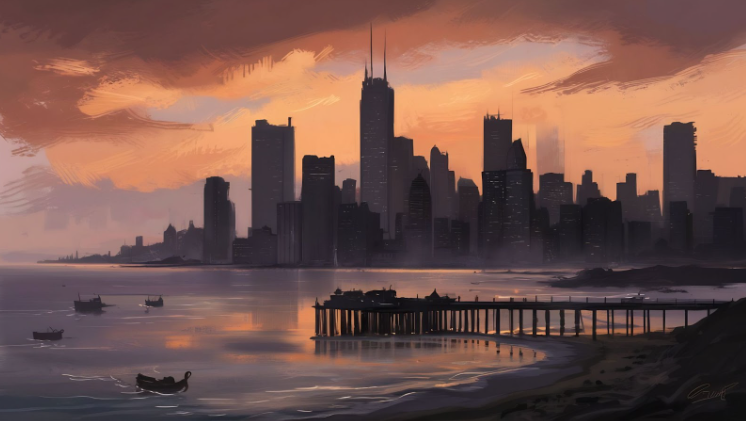
A matte painting is a technique used to create the illusion of environments that don’t physically exist. Traditionally, artists painted detailed scenes of cities, landscapes, and architecture onto glass or canvas, which were then combined with live-action footage to extend or completely replace real-world locations.
The goal was simple but powerful:
convince the audience that what they’re seeing is real, even when it isn’t.
Why Matte Painting Was Essential in Early Cinema
Long before digital effects, filmmakers faced a major limitation:
They simply couldn’t build everything they imagined.
Practical challenges included:
- The cost of constructing massive sets
- Physical space limitations in studios
- Dangerous or inaccessible locations
- The need for historical or futuristic worlds
Matte painting solved all of these problems.
Instead of building an entire city, productions could:
- Construct a partial set (foreground)
- Paint the rest of the world (background)
- Seamlessly combine the two in-camera
This allowed filmmakers to create:
- Grand palaces
- Expansive skylines
- Impossible environments
All within controlled studio stages.
How Matte Paintings Were Created (Pre-Digital Workflow)
The process required both artistic skill and technical precision.
1. Planning the Shot
Everything began with:
- Camera position
- Lens choice
- Composition
Once the painting was created, nothing could be moved without breaking the illusion.
2. Painting on Glass
Artists painted directly onto large sheets of glass, leaving transparent areas where live-action footage would appear.
This required:
- Perfect perspective matching
- Accurate lighting replication
- Fine detail work to mimic reality
3. Aligning with the Camera
The painted glass was placed between the camera and the set.
This meant:
- The painting and the real set had to align perfectly
- Depth, scale, and vanishing points had to match
Even a slight mismatch would reveal the trick.
4. Capturing the Final Shot In-Camera
Unlike today, there was no “fix it in post.”
The final image was captured:
- Live on set
- With the painting and actors combined in a single shot
This made matte painting as much a filmmaking technique as it was an art form.
Creating Entire Cities with Partial Sets
One of the most powerful uses of matte painting was city extension.
A typical setup might include:
- A small section of street or building (real set)
- A painted skyline extending upward and outward
- Atmospheric effects painted to match lighting conditions
This technique allowed filmmakers to create:
- Entire historical cities
- Futuristic skylines
- Massive architectural environments
Using only a small portion of the set physically built on stage.
The Invisible Craft
Matte painting succeeded because it relied on real-world principles rather than shortcuts.
Key factors included:
Lighting Consistency
The painted environment had to match:
- Direction of light
- Intensity
- Color temperature
Perspective Accuracy
Vanishing points and scale had to align perfectly with the camera lens.
Texture & Detail
Brushwork had to mimic:
- Stone
- Glass
- Metal
- Atmosphere
When done correctly, the audience never questioned what they saw.
The Transition to Digital Matte Painting
As digital tools emerged, matte painting evolved, but its core principles stayed the same.
Instead of glass and paint, artists now use:
- Photoshop for high-resolution environments
- 3D software for projection mapping
- Compositing tools for integration
Modern techniques allow:
- Camera movement within scenes
- Faster iteration
- Seamless blending with CGI
Yet the foundation lighting, perspective, and realism remain unchanged.
Why Matte Painting Still Matters Today
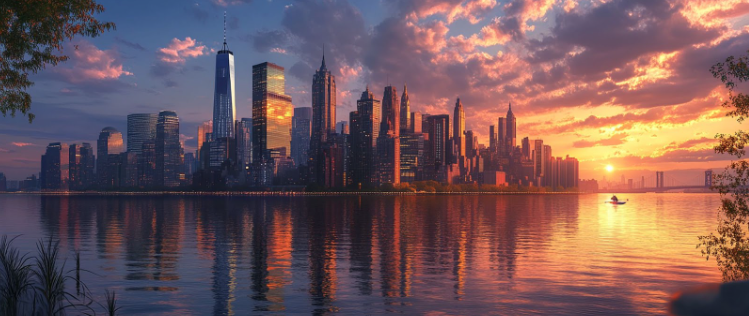
Even in an era of full CGI and virtual production, matte painting continues to play a crucial role.
It is still used to:
- Extend sets beyond physical builds
- Enhance real locations
- Reduce production costs
- Maintain photorealism
In many cases, matte painting is more efficient than building or simulating entire environments from scratch.
What This Means for Modern Productions
At a practical level, matte painting, whether traditional or digital, depends heavily on how a scene is shot.
Success starts on set:
- Accurate lighting setups
- Clean plates for compositing
- Controlled environments (e.g., green screen stages)
- Consistent camera tracking
This is where studios like Soundstage Studios play a critical role.
Because no matter how advanced post-production becomes,
The quality of the final image is determined by what’s captured during production.
Matte painting is one of cinema’s most enduring illusions, an art form that allowed filmmakers to create entire cities long before digital tools existed.
From painted glass to digital projections, the technique has evolved, but its purpose remains the same:
to expand what’s possible on screen.
And while technology continues to advance, the lesson matte painting teaches is timeless:
Great visual worlds don’t start in software, they start with vision, planning, and precision on set.