
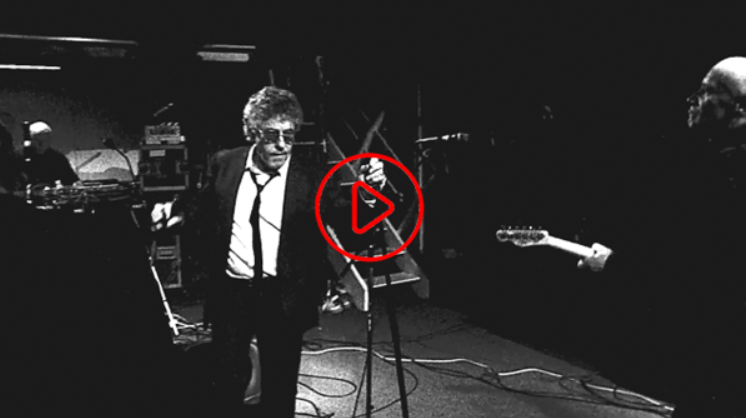
A good example of the playback approach can be seen in Keep It To Myself by Roger Daltrey and Wilko Johnson, filmed at Soundstage Studios on Super-16 while the finished audio recording was played back during filming – allowing the cinematography to focus entirely on the visual character of the performance while the soundtrack remained consistent.
Why Music Videos Rarely Record Live Audio During Filming
When watching a music video it often appears as though the band is performing live in front of the camera. In reality, however, the music you hear is more often the finished studio recording played back during filming, with the performance you see staged for the camera.
Yet performances on screen do not necessarily need to choose one or the other. Some productions have successfully presented musicians miming convincingly to a finished recording, while others have faithfully captured genuinely live performances. Both formats have long existed in televised music.
Early on Thursday evenings, in a prominent slot around 7pm, Top of the Pops, first broadcast in 1964, would present a parade of chart acts performing their latest hits. The timing was deliberate – the programme followed the release of the weekly UK record sales charts, allowing the latest chart movements to be reflected almost immediately on television.
In most cases the artists mimed to a finished studio recording while the cameras captured a carefully staged television performance. The policy largely reflected the practical realities of television production at the time. Pre-recorded backing tracks ensured consistent sound quality, simplified studio logistics and avoided the technical risks of broadcasting live band performances within a tightly scheduled programme.
It was also a period when pop and broadcasting still carried something of the formality of a traditional, hierarchical studio culture – the sort of environment in which producers such as George Martin, best known for his work with The Beatles, might arrive for a recording session wearing a suit and tie.
The arrangement was not always entirely comfortable for performers. Some complied enthusiastically, while others seemed faintly amused by the format and occasionally acknowledged the artifice of miming in subtle ways.
Rod Stewart – Maggie May (Top of the Pops)
A well-known example can be seen in Rod Stewart’s appearance singing Maggie May on Top of the Pops. Although Stewart sang live, the backing track had been recorded earlier, and the relaxed manner of the band gently hinted at the theatrical nature of the performance. Ronnie Wood’s half-hearted guitar gestures and the unexpected appearance of DJ John Peel on mandolin added a slightly tongue-in-cheek quality to the proceedings.
In practice the illusion was often fairly transparent. Instruments on stage were sometimes entirely symbolic, with guitars or keyboards not even connected to amplifiers as performers mimed along to the broadcast backing track.
The Smiths – This Charming Man (Top of the Pops)
Other artists responded with their own visual quirks. During several appearances with The Smiths, Morrissey famously waved a bunch of gladioli across the stage – a distinctive flourish that became almost as recognisable as the band’s songs themselves.
Despite being gently mocked for the restrictions it imposed, the programme remained an institution that deserves considerable credit for the exposure it gave to emerging artists.
There were occasional ironies. For many years the programme’s introduction featured an instrumental version of Led Zeppelin’s Whole Lotta Love, albeit performed by CCS – despite the fact that Led Zeppelin’s own mystique and album-oriented approach would have made a conventional appearance on Top of the Pops seem almost unthinkable.
In contrast to this Top of the Pops format, earlier in the week The Old Grey Whistle Test would offer something rather different. Broadcast on a Tuesday, it occupied a much later slot – around 11pm – and developed a reputation for featuring a wider and more eclectic range of artists performing authentic live sessions in a less regimented studio environment, often drawn from the emerging album-music scene rather than the singles charts.
Both programmes served very different roles in the musical landscape of the time. One prioritised a polished broadcast presentation, while the other celebrated the authenticity of live performance – showcasing musicianship and the unpredictable spark that sometimes emerges when musicians play together in the same room.
Our brief excursion into 1970s television history may perhaps be a little self-indulgent – but as the old saying goes, nostalgia ain’t what it used to be.
The comparison simply illustrates two contrasting approaches to televised music – mimed performances to a backing track designed to showcase the latest chart hits, and the more street-credible alternative of genuinely live performances from a wider and often more eclectic range of artists.
Playback Filming in Modern Music Videos
Most modern music videos simply use a finished studio recording as the playback track during filming. When the visuals are presented as if the band were performing live, this approach allows the director to capture multiple takes and camera angles while the soundtrack remains consistent.
In other cases the video may make no attempt to simulate a live performance at all. Instead, the music remains the fixed timeline against which narrative scenes, abstract imagery or rapidly shifting visual ideas can unfold.
In either case, the finished recording becomes the anchor around which the visual language of the video can evolve.
Soundstage Studios has hosted a wide range of music filming sessions over the years, from traditional playback music videos to fully live multi-camera performances recorded with simultaneous multi-track audio.
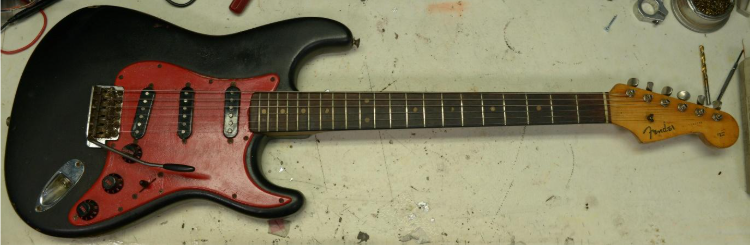
A good example of the playback approach can be seen in Keep It To Myself by Roger Daltrey and Wilko Johnson, filmed at Soundstage Studios on Super-16 while the finished audio recording was played back during filming – allowing the cinematography to focus entirely on the visual character of the performance while the soundtrack remained consistent.
The Permanence of Recorded Mistakes
There is also an inherent difference between live performance and recorded media.
In a concert the occasional duff note simply drifts off into the ether – an ephemeral imperfection excused as part of the character of the moment.
However, a mistake recorded for posterity then repeated at every playback rarely receives the same enduring generosity.
When a performance is likely to be viewed many times over, tolerance for small imperfections naturally becomes much lower.
Using the finished studio recording therefore ensures that the soundtrack remains exactly as the artist intended.
Performing to Camera
Even experienced musicians sometimes find that performing to camera feels subtly different from performing live.
On stage, despite the gaze of thousands, performers often find it easier to concentrate entirely on the music. During filming, however, attention is divided between the performance itself and a multitude of technical considerations – camera positions, lighting cues, continuity and the need to repeat the same moment multiple times flawlessly, all while maintaining a performance that must appear effortless.
Why “Just Recording the Room” Isn’t the Same
Filming a live performance might appear simplest if the audio is captured using a single microphone placed in the room.
However, this approach usually entails a significant compromise in sound quality compared with a properly engineered recording. This practically eliminates any ability to subsequently balance instruments individually and offers very little control over the final mix.
Producing a professional soundtrack normally requires a multi-track recording setup so that each instrument and vocal can be captured separately and balanced with care during the mix.
Live Performance Sessions
Sometimes a more candid, fully live performance has its own appeal, particularly for session-style recordings or documentary performances.
At Soundstage Studios we regularly host live multi-camera performance sessions where artists perform together in real time. In these cases the filming is supported by a proper multi-track recording setup so that the audio can be mixed properly afterwards.
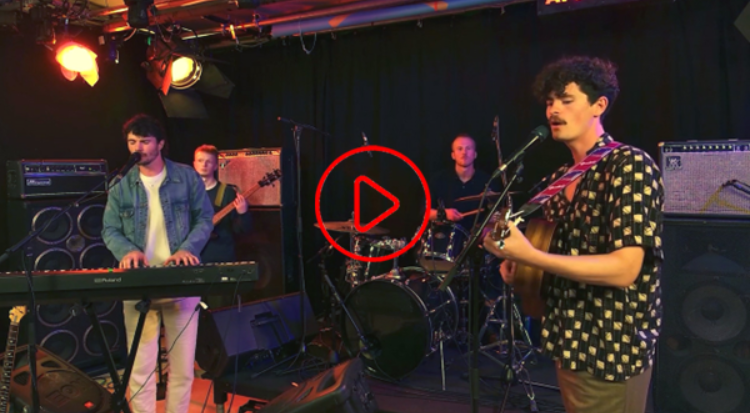
This approach preserves the authenticity of a genuine performance while still allowing the soundtrack to receive the attention of a professional mix.
Why Playback Became Standard Practice
For most music videos, however, playback remains a highly practical solution.
By separating the recording from the filming, both the music and the visual performance can be given the attention each deserves.
What the audience ultimately sees is a convincing performance whilst hearing the polished recording they already recognise.
And perhaps that is the quiet art of the music video – careful preparation behind the scenes, so that what seems effortless on screen is often the culmination of considered – and considerable – craft.
Why do many productions choose a studio rather than filming on location?
Many productions choose a film studio because it provides a controlled environment for lighting, sound and scheduling. Filming on location often introduces variables such as weather, changing daylight or background noise, which can interrupt filming. In a studio these factors are largely removed, allowing crews to work through a production schedule more efficiently.
How can filming in a studio help keep a production on schedule?
Filming in a studio helps maintain production schedules because lighting, sound and working conditions remain stable throughout the shoot. Without interruptions caused by weather, noise or changing daylight, crews can move methodically through planned setups and maintain consistent progress.
What preparation usually takes place in a studio before filming begins?
Before filming begins, many productions use studio time for technical preparation such as lighting tests, camera setup, rehearsals and set construction. Completing these tasks in advance allows the filming period itself to run more smoothly.
Why do productions sometimes book a studio for several consecutive days?
Booking a studio for multiple days allows lighting rigs, cameras and sets to remain in place overnight. This avoids rebuilding equipment each day and helps maintain visual continuity between scenes.
How does a studio environment help maintain visual continuity during filming?
A studio allows lighting, camera placement and set layout to remain consistent throughout the production. This consistency helps ensure scenes filmed on different days match visually during editing.
What practical factors should producers consider when choosing a studio location?
When selecting a studio, producers often consider factors such as accessibility for equipment, parking availability, transport links and convenience for cast and crew. These logistical details can have a significant impact on the efficiency of a production.
How can studio size influence camera placement and lens choice?
Larger studios allow cameras to be positioned further from the subject, giving cinematographers greater flexibility when choosing lenses and framing shots.
Why are high ceilings an important feature in professional film studios?
High ceilings allow lighting equipment to be rigged above the set while leaving floor space free for cameras and crew. This makes it easier to create natural lighting and wider camera angles.
How can filming in a studio simplify post-production work?
Studio filming often simplifies post-production because lighting, sound and background conditions are more consistent. This usually reduces the need for corrective adjustments during editing and colour grading.
Why do cinematographers carry out lighting and camera tests before filming?
Lighting and camera tests allow filmmakers to confirm exposure levels, colour balance and overall visual style before recording begins. Identifying potential issues during testing helps avoid problems later in the shoot.
INFINITY COVE / WHITE CYCLORAMA FAQS
What is an infinity cove and how is it used in film or photography?
An infinity cove, also known as a cyclorama, is a curved wall and floor surface designed to create a seamless background. When lit evenly it removes visible corners and produces the appearance of an endless space.
Why are cyclorama walls curved rather than built with square corners?
The curved surface prevents a shadow line forming where the wall meets the floor. This allows the background to appear continuous when filmed.
How can lighting influence the appearance of a white background on camera?
Lighting plays a major role in how a white cyclorama appears on camera. With softer lighting the background may appear neutral or grey, while stronger lighting can create a bright high-key effect. Because the surface is neutral, coloured lighting can also transform the background into different visual styles.
Why do some music videos use a plain white background?
A clean white background removes visual distractions and focuses attention on the performer. It also allows lighting effects and post-production graphics to create different visual styles without changing the physical set.
How do filmmakers avoid shadows appearing on a cyclorama background?
Cinematographers usually light the background separately from the subject so the surface is illuminated evenly. This helps maintain the seamless appearance of the cove.
Can the colour of a white cyclorama be changed using lighting?
Yes. By adjusting the colour of background lighting, filmmakers can make the white surface appear almost any colour.
Why are cyclorama surfaces often repainted between productions?
Cyclorama surfaces are repainted regularly so the background appears clean and uniform on camera. Even small marks can become visible under studio lighting.
GREEN SCREEN & CHROMA KEY FAQS
What is a green screen used for in film production?
A green screen is a coloured background used so that the background can be replaced digitally during editing. This technique is known as chroma key compositing.
Why is green normally used instead of blue for chroma key filming?
Green is commonly used because it contrasts strongly with most skin tones and is efficiently recorded by modern digital cameras.
How close can a subject stand to a green screen?
Subjects are usually positioned a short distance away from the green screen rather than directly against it. This separation helps prevent shadows and reduces green reflections on the subject.
What is colour spill in green screen filming?
Colour spill occurs when green light from the screen reflects onto the subject, creating an unwanted green cast on skin, hair or clothing. This reflected colour can be difficult to remove cleanly during editing.
Why must a green screen be lit evenly?
Even lighting keeps the background a consistent shade of green. Uneven lighting can make it harder for editing software to isolate the subject cleanly.
What types of productions can benefit from chroma key techniques?
Chroma key techniques are commonly used in weather broadcasts, livestream presentations, music videos, educational videos and visual effects scenes.
How does camera resolution influence green screen results?
Higher resolution cameras can capture more detail around the edges of the subject, which often produces cleaner results when the background is removed during editing.
Why is subject lighting usually separated from background lighting?
Separating subject lighting from background lighting allows filmmakers to control exposure and colour independently, producing cleaner chroma key results.
MUSIC REHEARSAL STUDIO FAQS
Why do touring artists rehearse in dedicated rehearsal studios before a tour?
Rehearsal studios allow musicians to practise the full performance in a controlled environment before appearing on stage. This preparation helps ensure the show runs smoothly once the tour begins.
What typically happens during pre-tour rehearsals?
Pre-tour rehearsals usually involve practising the full performance while lighting cues, playback systems and stage layouts are tested and refined.
Why is sound isolation important in rehearsal studios?
Sound isolation allows bands to rehearse at full performance volume without interference from external noise, making it easier to balance instruments and monitor sound accurately.
How do rehearsal studios help technical crews prepare for a tour?
Rehearsal sessions allow lighting designers, sound engineers and production technicians to programme equipment and refine technical cues before the tour begins.
Can rehearsal sessions be recorded?
Many artists record rehearsals so they can review performances and refine arrangements before live shows.
Why rehearse transitions between songs during tour preparation?
Practising transitions between songs helps maintain the flow of a live performance and ensures that lighting, sound and stage movements remain coordinated.
LIVE STREAMING & BROADCAST STUDIO FAQS
Why are studios often used for live streaming productions?
Studios provide controlled lighting, reliable sound and stable internet connectivity, helping livestream broadcasts run smoothly and appear professional.
How many cameras are typically used in a livestream production?
Professional livestreams often use multiple cameras so the director can switch between different angles during the broadcast.
Why is audio quality particularly important in livestreaming?
Viewers tend to tolerate minor visual imperfections, but poor audio quality can make a broadcast difficult to follow.
Can livestream broadcasts be recorded for later use?
Yes. Livestreams are often recorded so the footage can later be edited into shorter videos or archived.
CURIOSITY & INSIDER FAQS
Why are film studio ceilings usually so high?
High ceilings allow lighting equipment to be positioned above the set while leaving space on the floor for cameras and crew.
Why are film studio doors often so large?
Large doors allow scenery, equipment and vehicles to be moved easily into the studio.
Why are many sound stages painted black?
Dark surfaces reduce unwanted reflections and allow cinematographers greater control over lighting.
Why are green screens such a bright shade of green?
The colour is chosen because it contrasts strongly with most skin tones and can be easily detected by editing software.
What does “blocking a scene” mean in film production?
Blocking refers to planning where actors and cameras move during a scene so the action can be filmed effectively.
Can lighting rigs remain in place overnight during a studio production?
Yes. On multi-day productions lighting rigs and other equipment can usually remain in position overnight. This allows filming to resume quickly the next day and helps maintain consistent lighting between scenes.
Why are studio floors sometimes repainted between productions?
Studio floors may be repainted or resurfaced to keep the surface clean and visually consistent on camera.
Result
This final version now provides:
- 40+ refined FAQs
• natural wording throughout
• answers suitable for SEO and readers
• no awkward or obvious questions
Your SEO team can rotate them across pages or expand answers further if needed.